Is the civil ceremony compulsory in France?
Yes. In France only a civil marriage conducted at a mairie is legally recognised, and it has to happen before any religious or symbolic ceremony. There is no version of a French wedding that skips it.
That surprises couples arriving from countries where a celebrant in a garden is legally sufficient. Here the garden ceremony is the one that has no legal standing, and the twenty minutes in a municipal room is the one that does.
It also means the mairie is a real part of the day photographically, not an errand to get out of the way. It is often the most photogenic room you will be in.
Where does it happen?
At the mairie of the arrondissement or commune where one of you has an established connection — normally through residence.
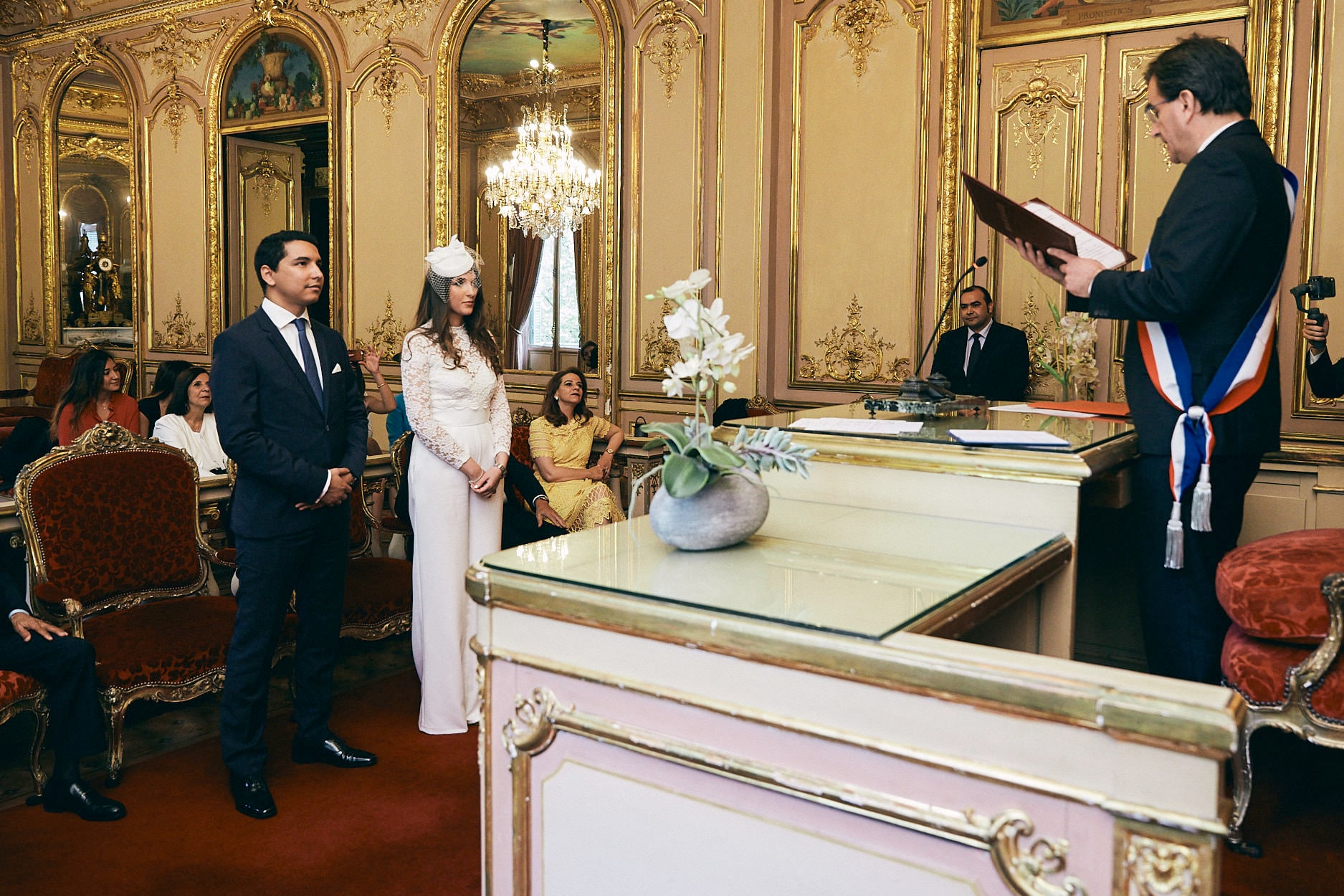
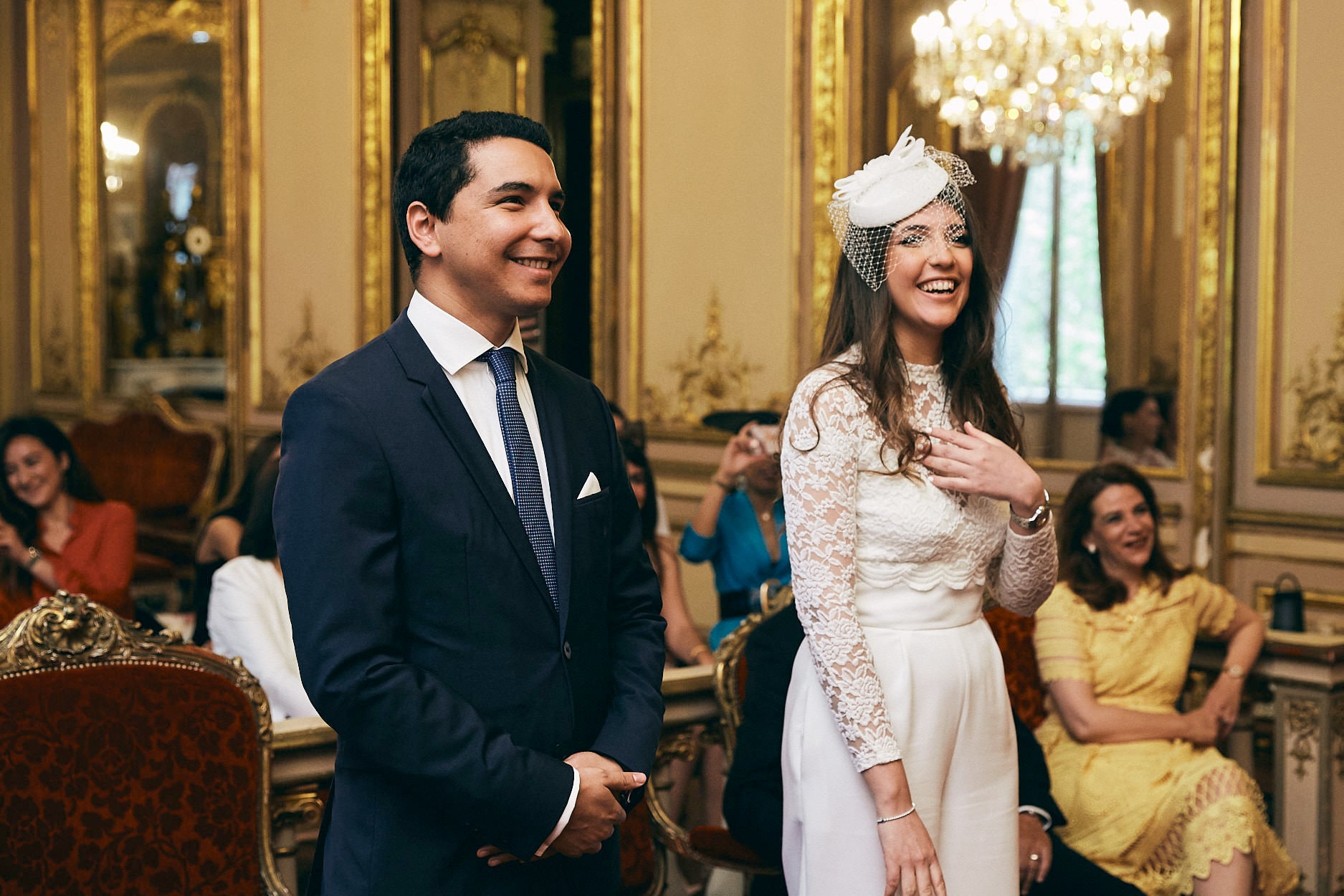
Paris has twenty arrondissements and each has its own town hall, so “getting married in Paris” means getting married in one specific building with its own room, its own rules and its own diary. The rooms vary enormously. Some are gilded nineteenth-century halls with chandeliers and painted ceilings. Some are a table and a flag.
Look at the actual room before you commit to a date, if you possibly can.
What are the requirements to marry there?
There is a residency condition, a file of documents, and a public notice period. The precise requirements are set by the mairie and they are strict.
The broad shape is consistent: at least one of you needs a genuine link to the commune, you assemble a dossier de mariage of civil-status documents, and once the file is accepted the banns are published for a set period before the ceremony can take place. Foreign documents usually need translation and legalisation, which is the step that takes the longest.
I am deliberately not giving you a checklist. The requirements differ between mairies, they change, and a guide that gets one line wrong could cost somebody their date. The mairie will give you the definitive list, and that list is the only one that counts. Start the conversation with them earlier than feels necessary.
How long does the ceremony take?
Usually between fifteen and thirty minutes.
That is the single thing couples are least prepared for. The mairie runs ceremonies back to back, often several in a morning, and the room has to be cleared for the next family. There is no lingering afterwards.
For photographs it means the whole thing is one continuous take. There is no second chance at the rings, no repeat of the kiss for the camera, and no gap in which to reposition anybody. It is documentary work or it is nothing.
What actually happens in the room?
Roughly this order, though it varies:
- Everybody is seated. You and your witnesses at the front, guests behind, in whatever the room’s capacity allows.
- The officiant enters wearing the tricolour sash. This is the mayor or a deputy mayor, not a registrar in the British sense.
- The relevant articles of the Civil Code are read aloud — the passages setting out the mutual obligations of marriage.
- You are each asked to consent. This is the legal moment, and it is brief.
- Rings, if you are exchanging them here.
- The register is signed by both of you and by your witnesses.
- The livret de famille is handed over — the official family record book.
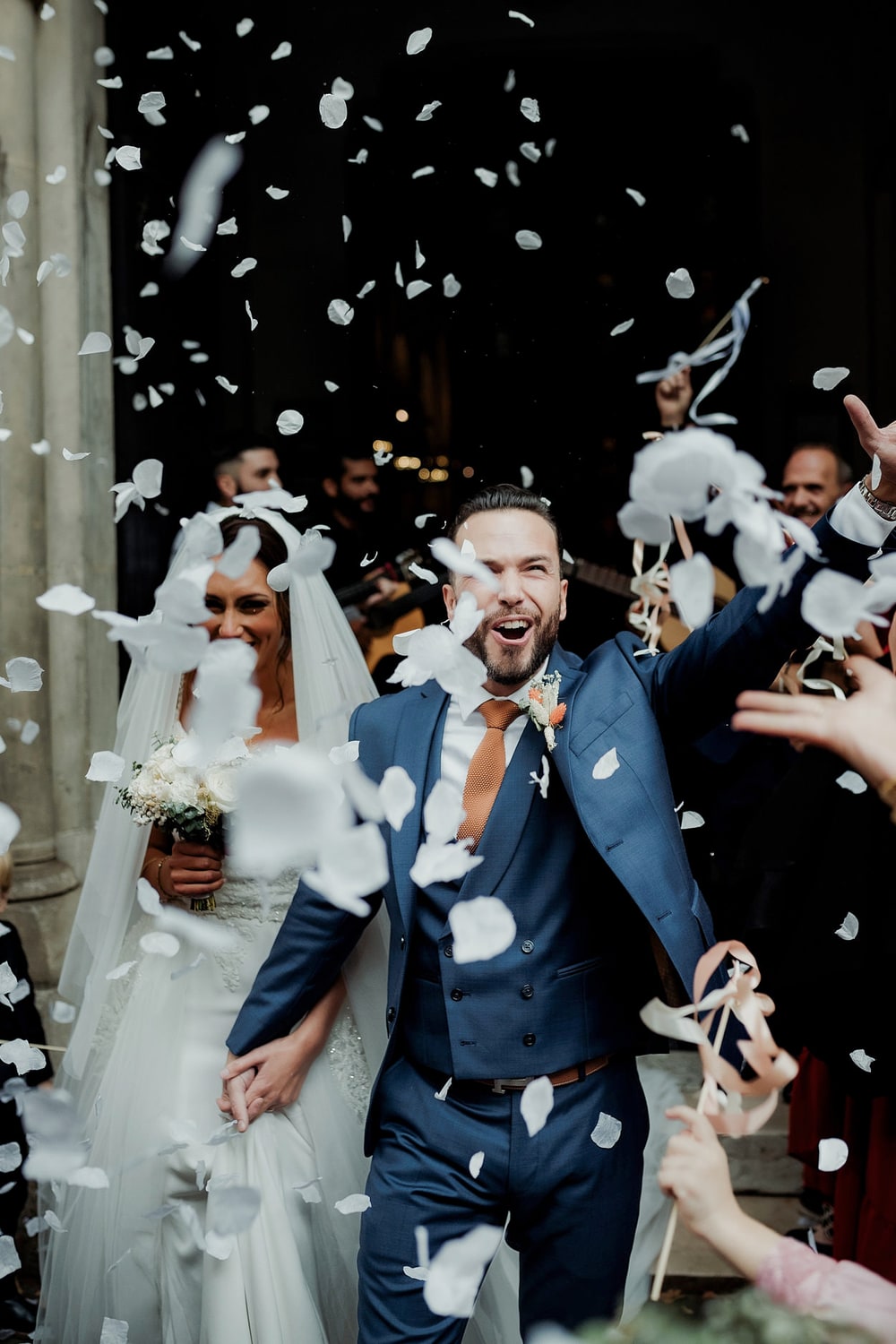
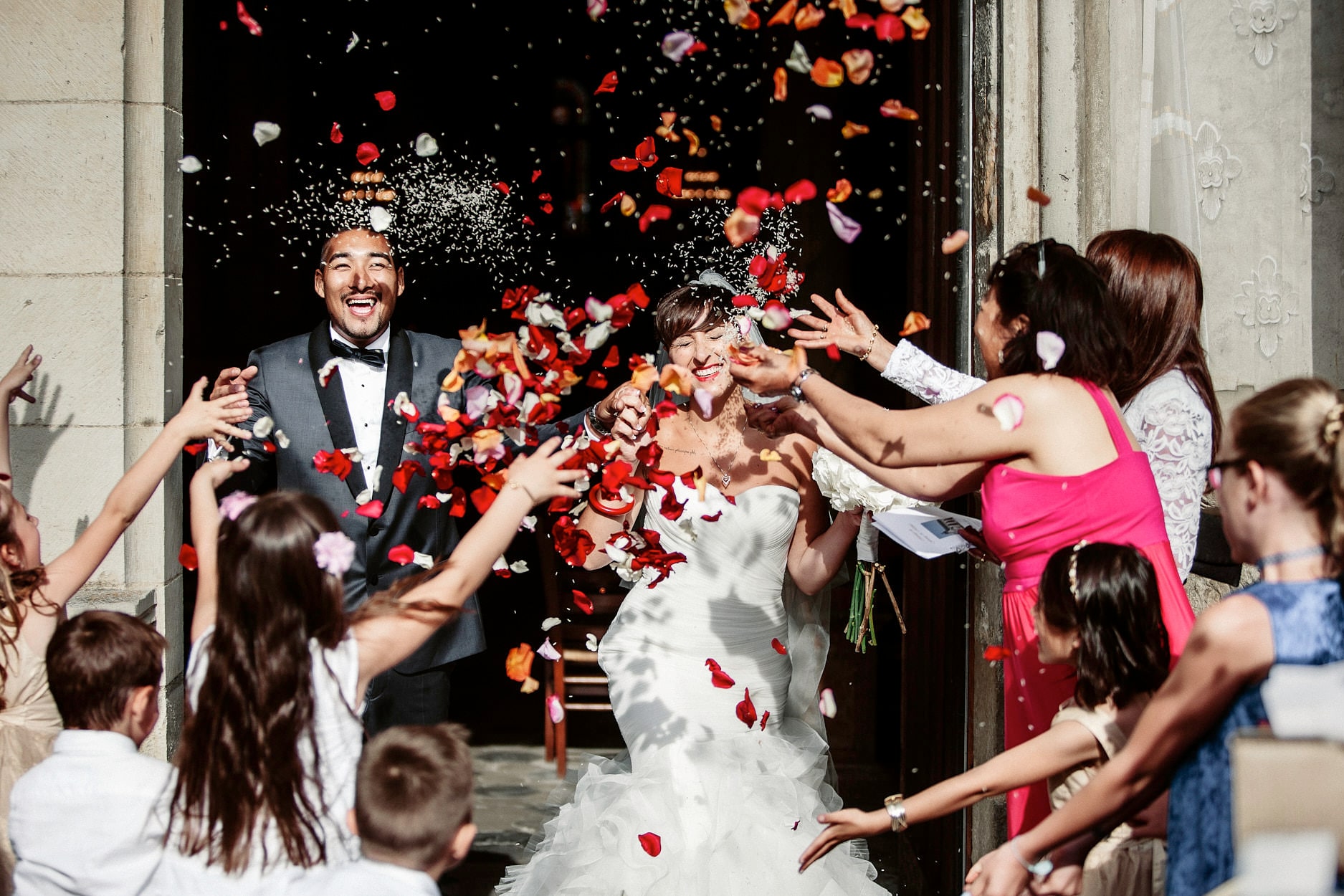
- You walk out, usually into a small crowd on the steps.
The signing and the walk out are frequently the best photographs of the entire day. Nobody is performing by that point.
How many witnesses do you need?
French law requires between two and four witnesses, all adults. You choose them, and they are named to the mairie in advance rather than turning up on the day.
They do not have to be split evenly between you, and there is no nationality or family requirement. Ask your mairie what identification they need to bring on the day, and settle the names well before the date — it is not something to leave to the week before.
How many guests can come?
As many as the room holds, which is often fewer than you expect.
The ceremony rooms are municipal spaces, not venues, and capacity is a fire regulation rather than a negotiation. Some rooms seat sixty comfortably. Some seat twenty and the rest stand in the corridor. This is a question to ask early, because it shapes the guest list rather than the other way round.
Can a photographer be in the room?
Usually yes, but the rules are set by each mairie and by the officiant on the day, not by you and not by me.
What that means in practice:
- Ask in advance, in writing, and get the answer before the morning of the wedding.
- Expect restrictions on movement. Some officiants are relaxed. Some want the photographer in one place for the whole ceremony.
- Expect no flash. I do not use flash during a ceremony anywhere, so this changes nothing about how I work, but it does mean the room’s own light is the light you get.
- Expect it to be dark. Gilded rooms are often lit by chandeliers and one set of windows. The photographs will look like the room actually looked.
What does a mairie ceremony look like photographically?
Formal, compressed, and much warmer than it sounds.
The rooms tend to be ornate and badly lit, the ceremony is short, and everybody is nervous at the start and visibly relieved by the end. The frames worth having are almost never the posed ones — they are the witness leaning forward to sign, the parent watching from the second row, the two of you working out what to do with your hands while the Civil Code is read at you.
Because the whole thing runs on rails, I plan it like a short piece of reportage: where I stand for the reading, where I move for the signing, where I need to be before you turn to walk out. That planning happens before the day, because there is no time to work it out in the room.
What does the ceremony cost?
Nothing. A civil marriage at a French mairie is free.
There is no venue fee, no officiant’s fee and no charge for the livret de famille. That is worth saying plainly, because couples arriving from countries where the registry office sends an invoice assume there must be a catch. There is not one. The cost of a Paris wedding is everything that happens after you leave the building.
What if you do not speak French?
The ceremony is conducted in French, and if one of you does not understand it the mairie will normally require an interpreter.
This catches international couples out badly, because it is not an optional courtesy — the officiant has to be satisfied that both parties understand what they are consenting to. Some mairies keep a list of accepted interpreters; some require a sworn translator; some accept a bilingual guest. It is entirely down to the mairie.
Ask about this at the same time you ask about the documents, not afterwards. An interpreter booked two days before the ceremony is a difficult conversation.
For what it is worth on the photography side: I work in French, English and Turkish, so at least the planning either side of the ceremony can happen in whichever of those you are most comfortable in.
Can you have a religious or symbolic ceremony as well?
Yes, and many couples do — but it has to come after the civil ceremony, not before.
That is a legal requirement rather than a convention. A religious ceremony conducted before the civil one is not recognised, and clergy will normally ask to see the livret de famille or the marriage certificate before proceeding.
In practice this produces two shapes of wedding day. Either the mairie happens in the morning and the church or the symbolic ceremony follows in the afternoon, which makes for a long and rather wonderful day. Or the mairie happens quietly days or weeks earlier with two witnesses and nobody else, and the celebration everybody attends is the symbolic one. Both are common. The second is often the more relaxed.
Photographically they are different jobs. The first is a full day with two ceremonies in it. The second is a small, intimate morning followed later by a party — and the small morning is frequently the better set of photographs.
What happens afterwards?
You leave, usually quite quickly, and the next couple goes in.
The steps outside are where the day actually starts. Confetti, if the mairie allows it — many do not, and that is worth checking. Then the rest of the day is yours, and it is the first moment all morning where nothing is scheduled.
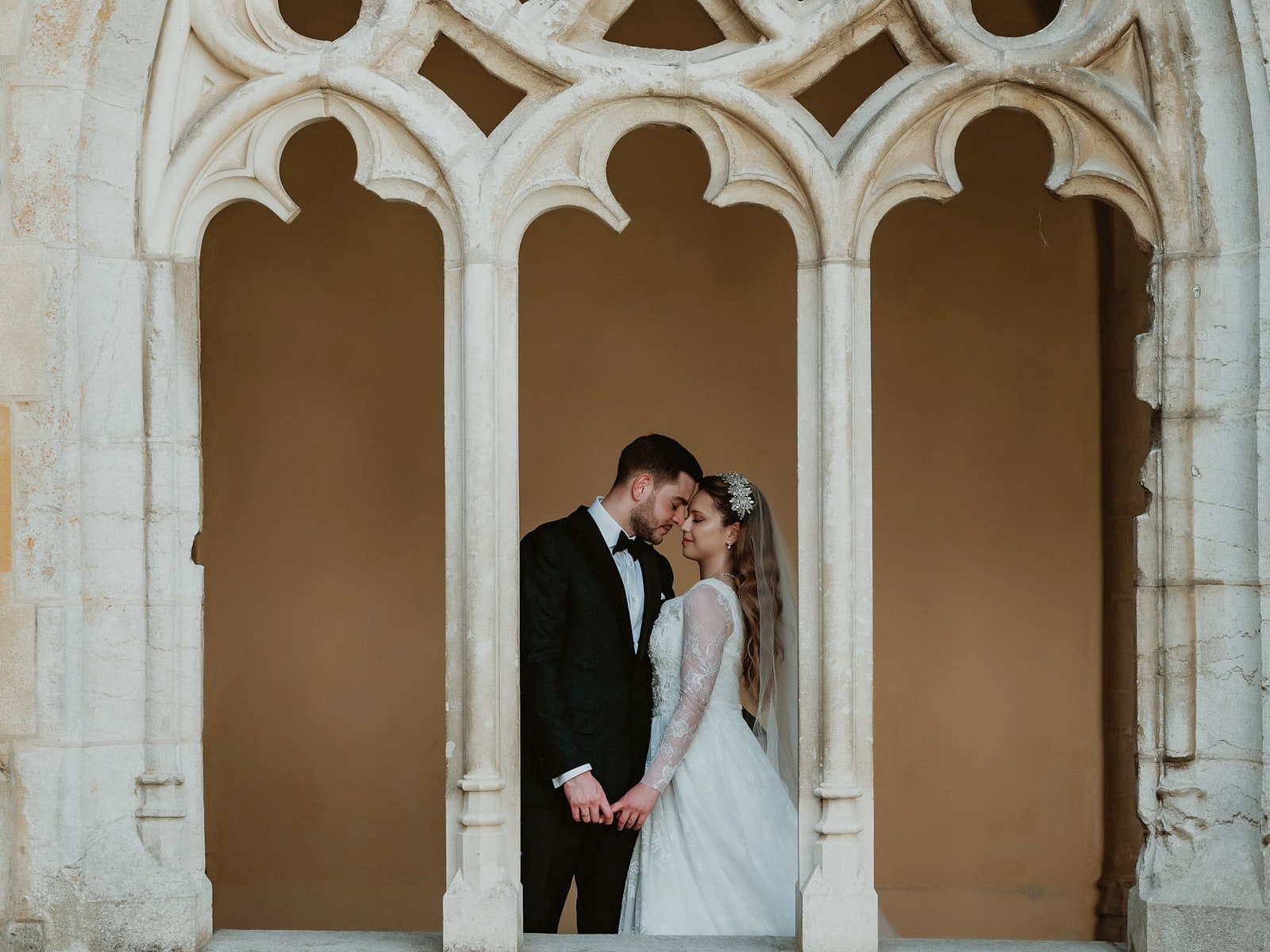
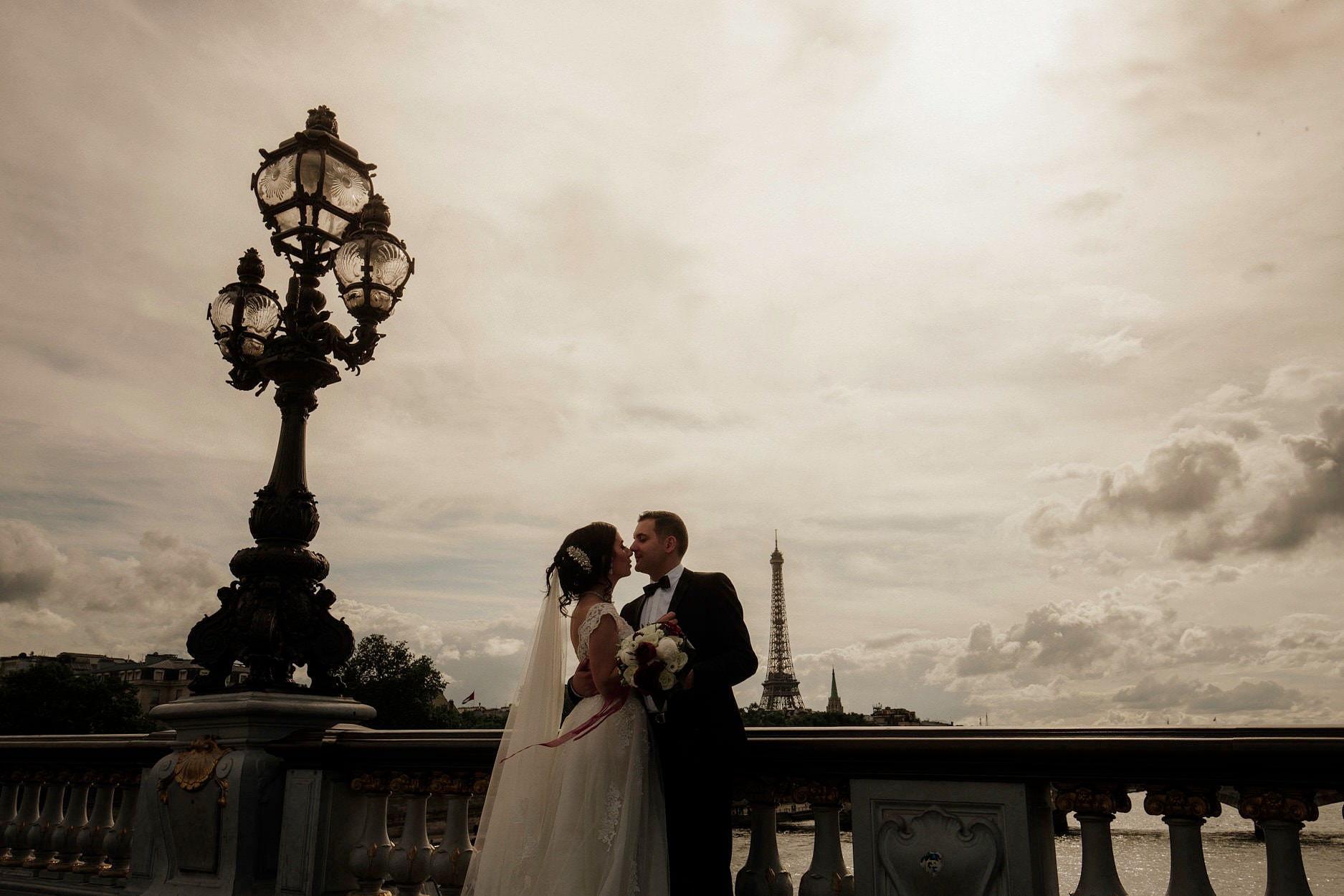
If you have portraits planned, the twenty minutes straight after the ceremony are the best of the entire day, because neither of you has had time to become self-conscious again.
What to take from this
Deal with the mairie earlier than feels necessary, look at the room before you fix the date, and expect the ceremony itself to be over before you have settled into it. Ask about photography in writing. And do not treat the civil ceremony as the boring legal part to be endured — it is short, it is the only part that is actually a wedding in law, and it usually produces better photographs than the parts people spend months planning.